















When the Apple Watch first arrived, it was talked about almost entirely in tech terms - battery life, health tracking, notifications on your wrist instead of in your pocket. The band that came with it was an afterthought, a strap doing a simple job: keeping the device secure.
That's changed completely. These days, the band is often the first decision people make, not the last - and increasingly, the case is right behind it. Here's how we got here, and why it matters for how you think about your own watch.
From Function to Expression
The shift started quietly. As the Apple Watch became less of a novelty and more of a daily habit, people began treating it the way they treat anything worn every day - as an extension of personal style, not just a gadget. A watch that sits on your wrist for twelve, sixteen, or eighteen hours a day was always going to end up being about more than specs.
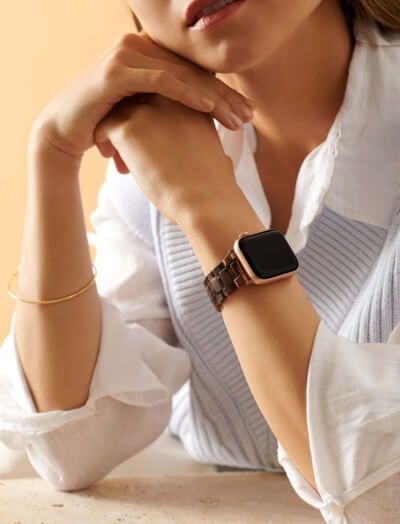
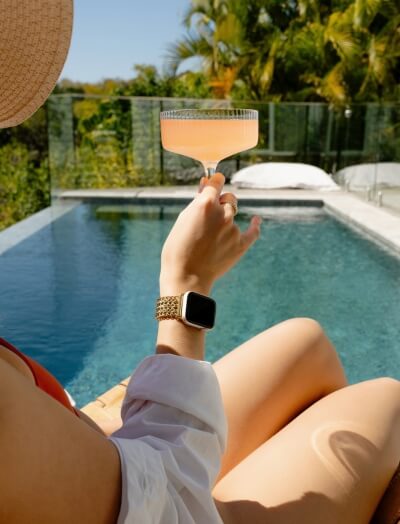
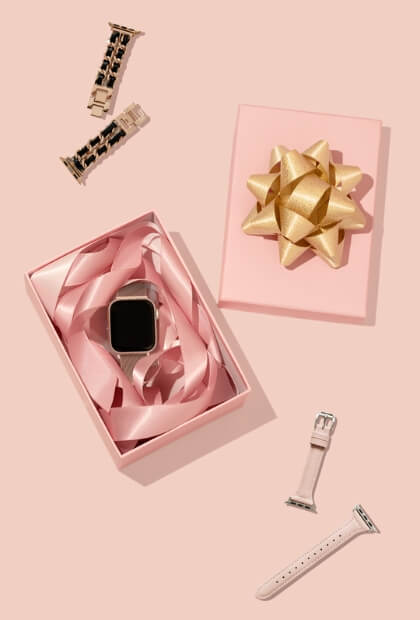
Once that mental shift happened, the accessory market followed. Bands stopped being generic and started being made in the fabrics, finishes, and colours people already wore - leather that matched a handbag, metalthat matched jewellery, silicone in shades that matched a mood rather than a manual.

Accessorising, Not Just Protecting
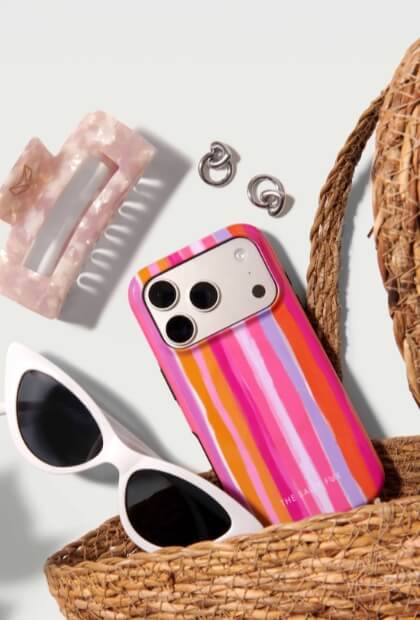
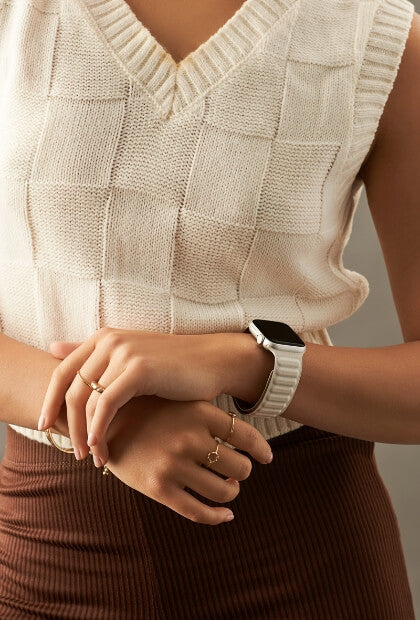
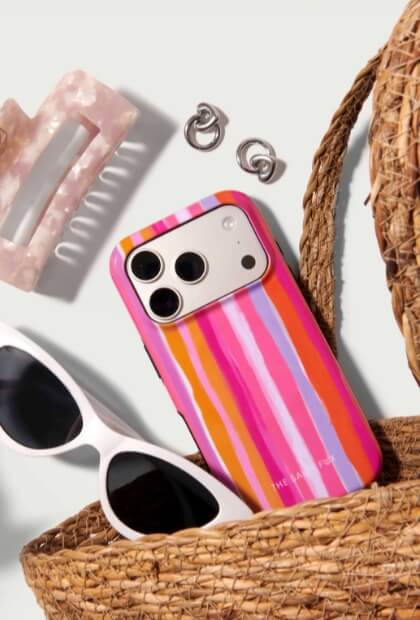
This is the real turning point: accessoriesfor the Apple Watch aren't just there to protect it anymore - they're there to complete a look. A bandis chosen the way a bracelet or a belt is chosen. A case is picked the way you'd pick a phone cover that says something about you. The Apple Watch became less like a device you owned and more like a piece you styled.
That's a meaningful difference. Protection is functional; style is personal. And once something becomes personal, people don't settle for "whatever came in the box" - they want options, they want to switch it up, and they want it to feel considered.

Why This Suits the Apple Watch Specifically
Part of what made this shift possible is the Apple Watch's own design - the interchangeable band system meant style was always technically easy. But the cultural change is what made it desirable. As fashion has moved toward more expressive, mix-and-match dressing, an accessory you can swap in seconds to match an outfit, a season, or simply how you feel that day fits naturally into how people already get dressed.
It also means your Apple Watch wardrobe can grow the same way any wardrobe does - a few reliable everyday pieces, one or two that feel a little more elevated, and something for when you want to make a statement.

What This Means for How You Choose
If you're still thinking about your Apple Watch band or case purely in terms of protection, it's worth reframing. The question isn't just "what keeps this safe?" anymore - it's "what does this say about who I am?" That's not vanity, it's just how personal style works when something is worn this often and this visibly.
The accessories that started as an afterthought are now often the most personal part of the whole watch. And that's exactly why there are more materials, finishes, and styles to choose from than ever before.
It's a shift that sits close to home for us. The Salty Fox began when our founder, Hangatu, struggled to find Apple Watch accessories that felt as stylish and personal as everything else she wore, so she started creating her own. That idea has grown into a wardrobe of everyday pieces built on the same belief: what you wear daily deserves the same thought as anything else in your style.

You can read more about that story and what drives us here.